
Endoscopy
OGDS / Gastroscopy
A camera examination of the oesophagus, stomach and duodenum (the first part of the small intestine).
Seek emergency care immediately if
- Vomiting blood or passing black, tarry stools may indicate bleeding. Seek urgent medical assessment immediately. If bleeding is ongoing, or you feel faint, very weak or breathless, go to the nearest emergency department.
OGDS, or gastroscopy, uses a flexible tube with a camera passed through the mouth to examine the oesophagus, stomach and first part of the small intestine. It helps identify possible causes of upper gastrointestinal symptoms.
When might an OGDS be recommended?
- Persistent heartburn or upper abdominal pain
- Difficulty or pain when swallowing
- Recurrent vomiting
- Vomiting blood or passing black stools
- Anaemia without a clear cause
- Unexplained weight loss or loss of appetite
Preparing for an OGDS
- Pre-procedure assessment
- Fasting according to instructions
- Review of blood-thinning medication, allergies and existing medical conditions
Follow the hospital’s fasting instructions. Tell the team about all medicines, including blood thinners and diabetes medicines, your allergies and any medical conditions. Change medicines only as instructed by your doctor. If sedation is planned, arrange for an adult to take you home.
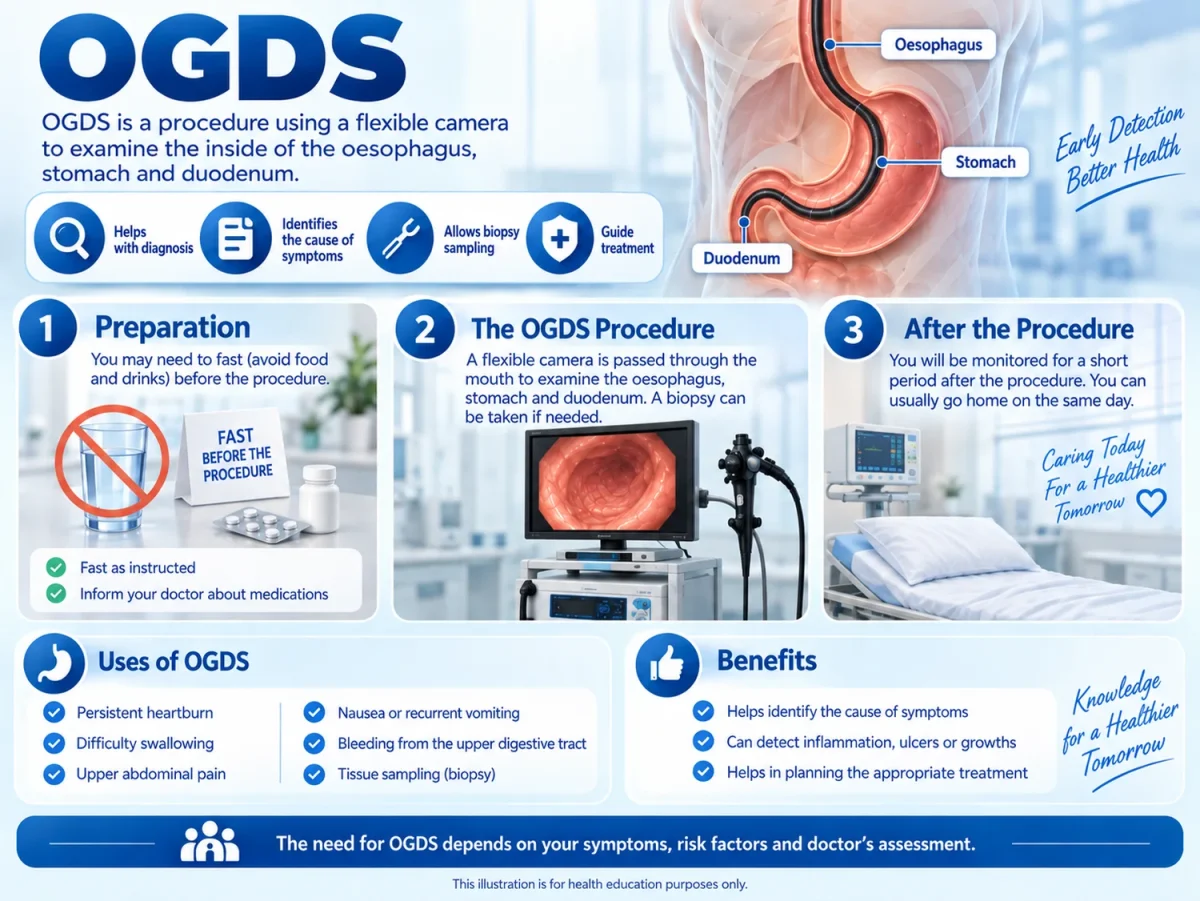
During the Procedure
- During OGDS, the doctor can look for inflammation, ulcers, sources of bleeding and suspicious changes, and can take biopsies if required. Throat anaesthetic and/or sedation may be used when appropriate to improve comfort.
After the procedure
Your findings and follow-up plan will be explained. Biopsy results may take longer. Follow the hospital’s advice about eating and drinking after throat anaesthetic, and about driving and activities after sedation. Seek urgent medical care for severe or worsening chest or abdominal pain, fever, breathing difficulty, vomiting blood or black, tarry stools.
Risks
- Risks include bleeding, a tear in the digestive tract wall (perforation) and reactions to sedation. Serious complications are uncommon. Your doctor will explain the risks relevant to your procedure.
Related care
All treatments-
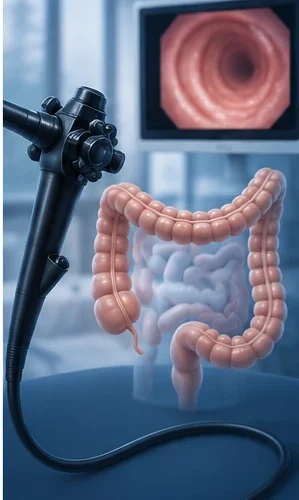 Endoscopy
Colonoscopy
Camera examination of the large bowel.
Endoscopy
Colonoscopy
Camera examination of the large bowel.
-
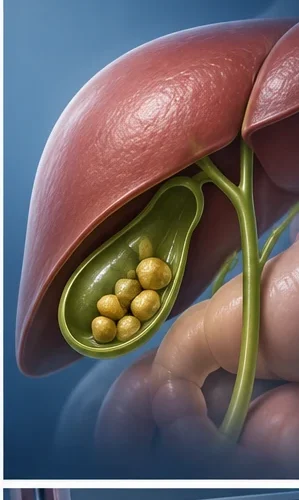 Abdominal & gallbladder
Gallstones
Right upper abdominal pain, especially after meals.
Abdominal & gallbladder
Gallstones
Right upper abdominal pain, especially after meals.
-
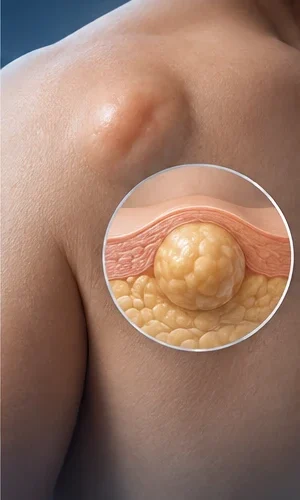 Skin & soft tissue
Lumps & Bumps
Any new, enlarging or changing lump should be assessed.
Skin & soft tissue
Lumps & Bumps
Any new, enlarging or changing lump should be assessed.
-
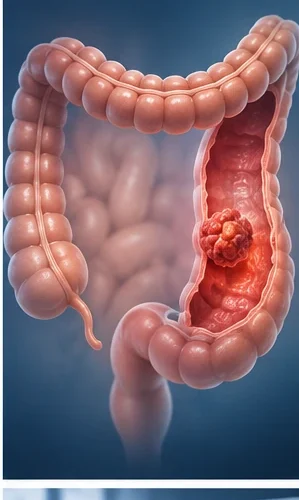 Colorectal & perianal
Colorectal Cancer
Blood in the stool, changes in bowel habits and screening.
Colorectal & perianal
Colorectal Cancer
Blood in the stool, changes in bowel habits and screening.