
Endoscopy
Colonoscopy
A camera examination of the rectum and large bowel.
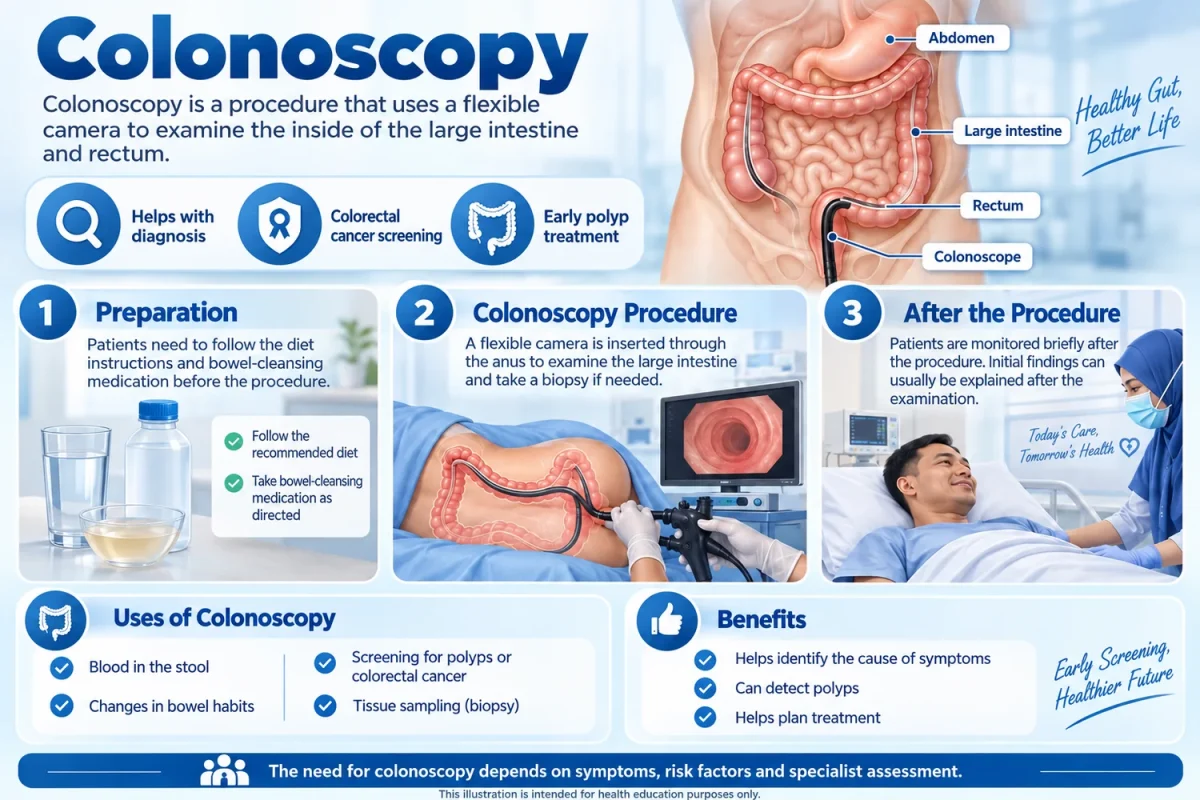
Colonoscopy uses a flexible tube with a camera to examine the inside of the large bowel. It is used to investigate symptoms, detect polyps, take biopsies and support colorectal cancer screening.
When might a colonoscopy be recommended?
- Blood in the stool or rectal bleeding
- Persistent changes in bowel habits
- Iron-deficiency anaemia without a clear cause
- A positive stool blood test (FIT or FOBT)
- A history of colorectal polyps or cancer
- Screening based on age and risk
Preparing for a colonoscopy
- Pre-procedure assessment
- Bowel preparation with prescribed cleansing medication
- Review of blood-thinning medication, diabetes treatment and existing medical conditions
Follow the hospital’s bowel preparation, diet and fasting instructions. Tell the team about all medicines, including blood thinners and diabetes medicines, and any medical conditions. Change medicines only as instructed by your doctor. If sedation is planned, arrange for an adult to take you home.
During the Procedure
- During colonoscopy, the doctor can inspect the bowel lining, take biopsies and remove many types of small polyps. Sedation may be used for comfort.
After the procedure
Your findings and follow-up plan will be explained. Tissue and polyp results may take longer. If you have sedation, follow the hospital’s discharge advice about driving and activities. Seek urgent medical care for severe abdominal pain, fever, heavy or persistent bleeding, faintness or marked weakness.
Risks
- Risks include bleeding, a tear in the bowel wall (perforation) and reactions to sedation. Serious complications are uncommon. Your doctor will explain the risks relevant to your procedure.
Related care
All treatments-
 Colorectal & perianal
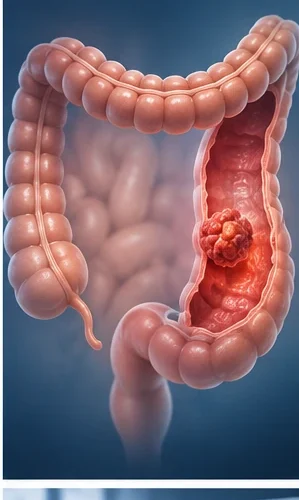
Colorectal Cancer
Blood in the stool, changes in bowel habits and screening.
Colorectal & perianal
Colorectal Cancer
Blood in the stool, changes in bowel habits and screening.
-
 Colorectal & perianal
Haemorrhoids
Bleeding, a lump or discomfort around the anus.
Colorectal & perianal
Haemorrhoids
Bleeding, a lump or discomfort around the anus.
-
 Endoscopy
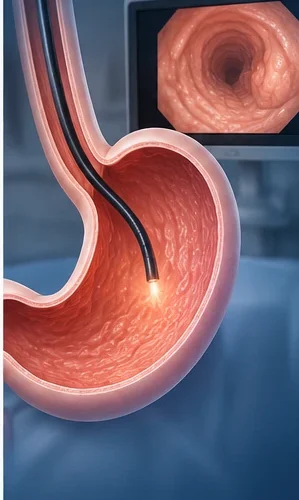
OGDS / Gastroscopy
Camera examination of the oesophagus, stomach and duodenum.
Endoscopy
OGDS / Gastroscopy
Camera examination of the oesophagus, stomach and duodenum.
-
 Colorectal & perianal
Anal Fistula
Recurrent discharge or pus around the anus should be assessed.
Colorectal & perianal
Anal Fistula
Recurrent discharge or pus around the anus should be assessed.