
Colorectal & perianal
Haemorrhoids
Rectal bleeding is not always caused by haemorrhoids.
Haemorrhoids are cushions of blood vessels and supporting tissue in and around the anus. When these become enlarged, they may cause bleeding, itching, discomfort or a lump that protrudes from the anus (prolapse). However, rectal bleeding can also be caused by anal fissures, polyps, bowel inflammation or colorectal cancer.
When should you be assessed?
- Fresh red blood during bowel movements
- A lump protruding from the anus
- Itching, mucus or discomfort
- Pain or swelling at the anal margin
- Recurrent symptoms despite medication
How is it assessed?
- Review of symptoms and bowel habits
- Examination of the anus and rectum
- Proctoscopy when appropriate
- Colonoscopy may be advised depending on age, risk factors and symptoms
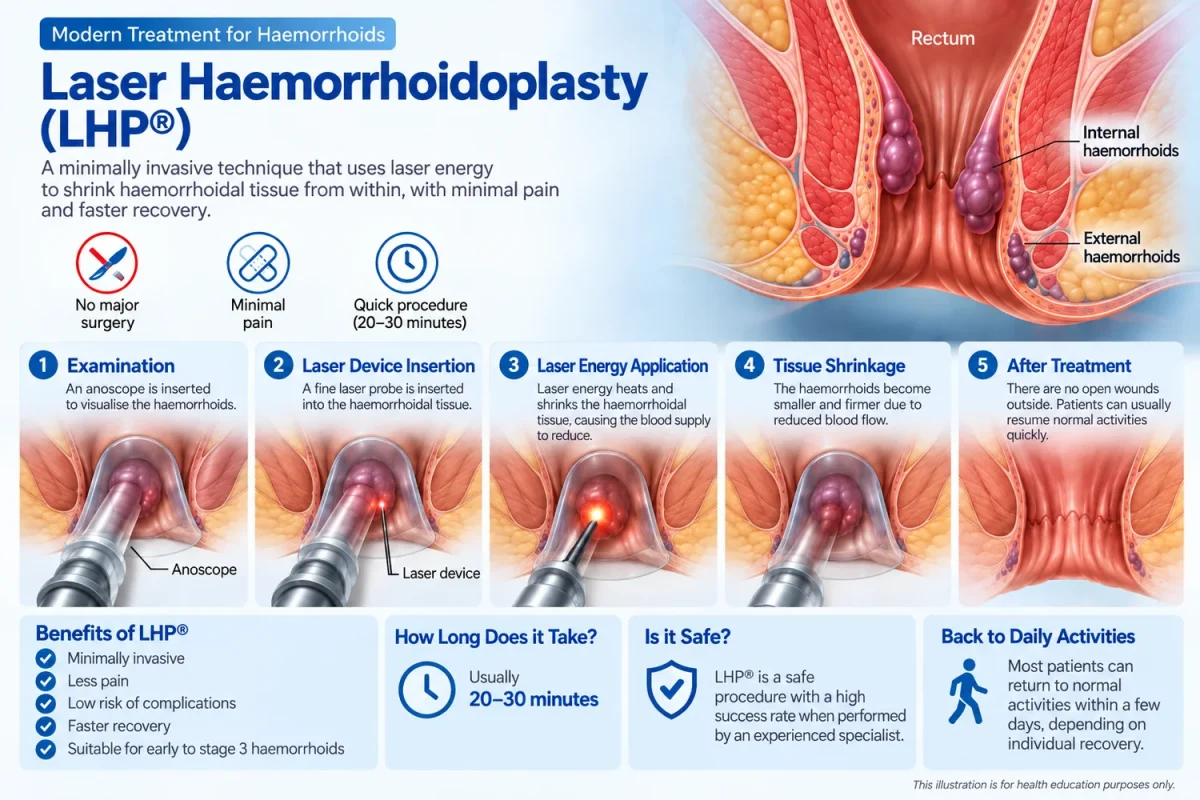
Suitability depends on the type of haemorrhoids and the findings of your assessment.
Treatment Options
Treatment depends on the type of haemorrhoids, the severity of symptoms and how much they affect daily life. For internal haemorrhoids, the grade is also considered. Initial treatment may include a diet rich in fibre, adequate fluid intake, stool softeners and medication. If symptoms persist, procedures or surgery may be discussed according to the type of haemorrhoid and the patient’s needs.
Related care
All treatments-
 Colorectal & perianal
Anal Fistula
Recurrent discharge or pus around the anus should be assessed.
Colorectal & perianal
Anal Fistula
Recurrent discharge or pus around the anus should be assessed.
-
 Colorectal & perianal
Colorectal Cancer
Blood in the stool, changes in bowel habits and screening.
Colorectal & perianal
Colorectal Cancer
Blood in the stool, changes in bowel habits and screening.
-
 Endoscopy
Colonoscopy
Camera examination of the large bowel.
Endoscopy
Colonoscopy
Camera examination of the large bowel.
-
 Skin & soft tissue
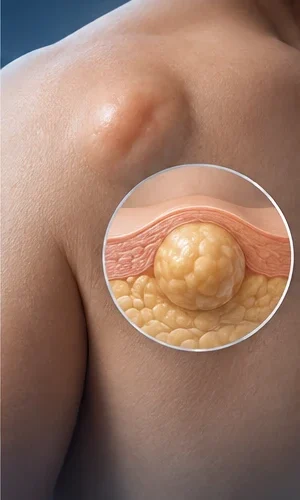
Lumps & Bumps
Any new, enlarging or changing lump should be assessed.
Skin & soft tissue
Lumps & Bumps
Any new, enlarging or changing lump should be assessed.