
Colorectal & perianal
Colorectal Cancer
Colorectal cancer can develop without obvious symptoms.
Colorectal cancer affects the colon or rectum. Earlier detection may provide more treatment options. Blood colour alone cannot tell you the cause of bleeding. Do not assume that blood in the stool is caused by haemorrhoids.
When should you be assessed?
- Blood in the stool
- A change in bowel habits
- Persistent constipation or diarrhoea
- Unexplained weight loss
- Anaemia or unusual tiredness
- Persistent abdominal pain or bloating
How is it assessed?
- Colonoscopy and biopsy
- CT scan to assess the extent of cancer when it is confirmed or strongly suspected
- Pelvic MRI to assess rectal cancer when appropriate
- Blood tests and pre-operative assessment
Treatment Options
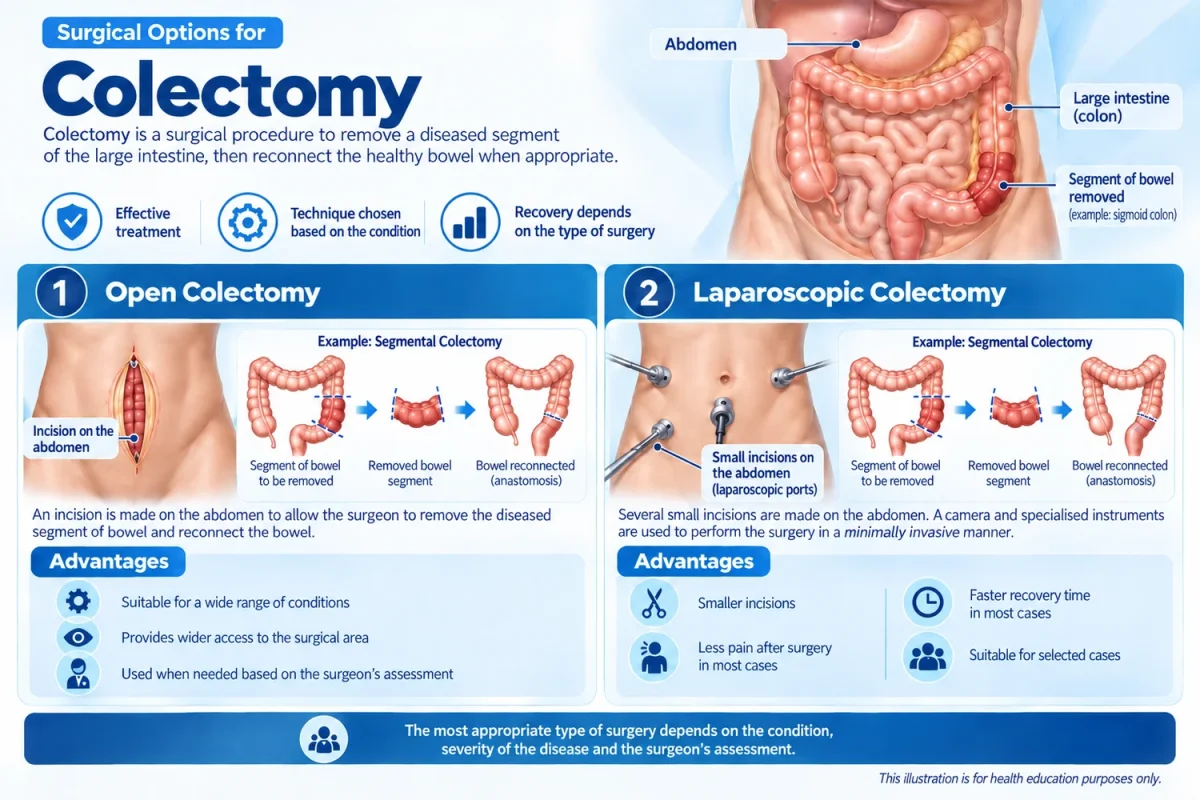
Treatment depends on the site and stage of the cancer. Surgery may be performed laparoscopically or through an open approach. Depending on the location and stage of the cancer, treatment may also include chemotherapy and, particularly for rectal cancer, radiotherapy. Your care is planned with a multidisciplinary team of specialists.
Related care
All treatments-
 Endoscopy
Colonoscopy
Camera examination of the large bowel.
Endoscopy
Colonoscopy
Camera examination of the large bowel.
-
 Colorectal & perianal
Haemorrhoids
Bleeding, a lump or discomfort around the anus.
Colorectal & perianal
Haemorrhoids
Bleeding, a lump or discomfort around the anus.
-
 Colorectal & perianal
Anal Fistula
Recurrent discharge or pus around the anus should be assessed.
Colorectal & perianal
Anal Fistula
Recurrent discharge or pus around the anus should be assessed.
-
 Endoscopy
OGDS / Gastroscopy
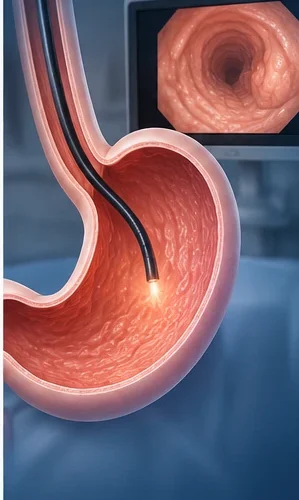
Camera examination of the oesophagus, stomach and duodenum.
Endoscopy
OGDS / Gastroscopy
Camera examination of the oesophagus, stomach and duodenum.