
Colorectal & perianal
Anal Fistula
Recurrent discharge or pus around the anus should be assessed.
An anal fistula is an abnormal tract between the inner part of the anal canal and the surrounding skin. It often develops after an abscess or infection and usually does not heal completely with antibiotics alone.
When should you be assessed?
- Recurrent pus or discharge
- Swelling or pain near the anus
- A recurring abscess
- A small opening in the skin around the anus
- Repeated irritation or bleeding
How is it assessed?
- Clinical examination
- MRI scan to map the fistula in selected cases, particularly complex or recurrent fistulas
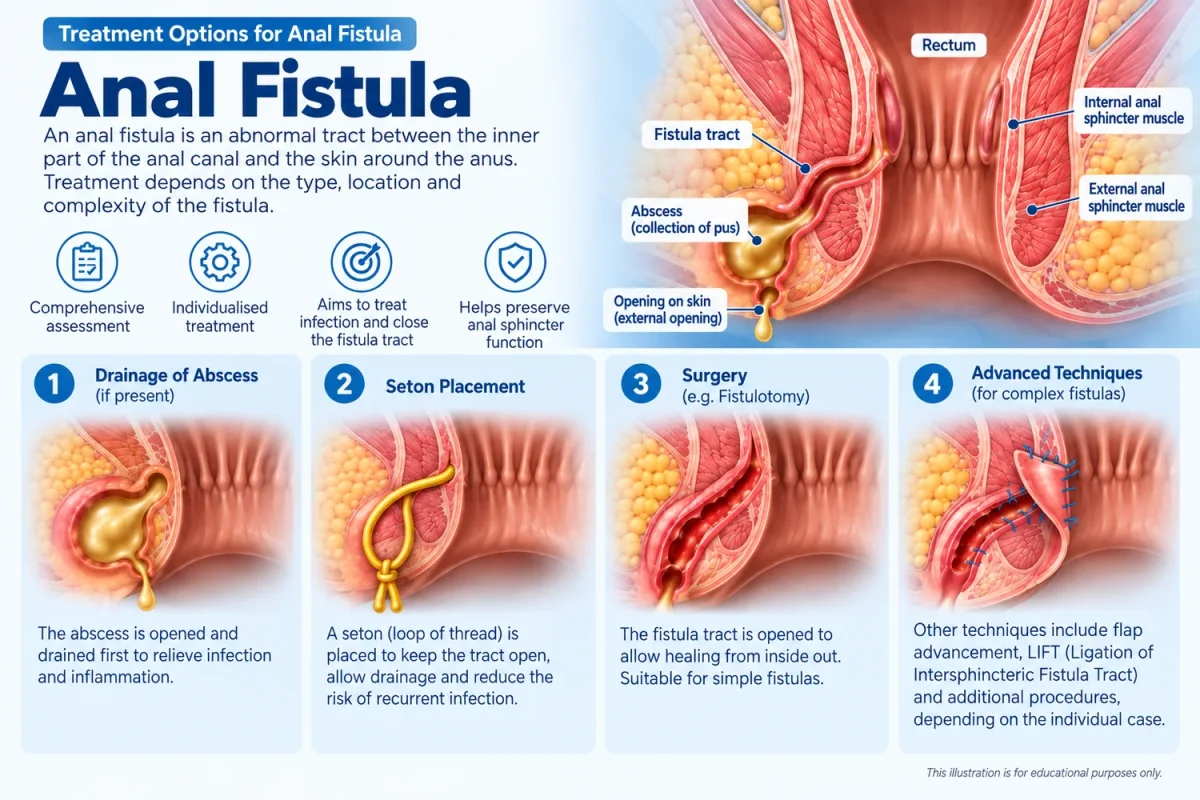
Treatment Options
The aim of treatment is to heal the fistula while protecting the anal muscles (sphincter muscles) and preserving bowel control. Options include fistulotomy, seton placement and sphincter-sparing techniques in suitable cases. The most appropriate technique depends on the tract and complexity of the fistula.
A draining seton is a thread or loop placed through the fistula to keep it draining. It may be used as part of staged treatment; further treatment may be needed.
Related care
All treatments-
 Colorectal & perianal
Haemorrhoids
Bleeding, a lump or discomfort around the anus.
Colorectal & perianal
Haemorrhoids
Bleeding, a lump or discomfort around the anus.
-
 Colorectal & perianal
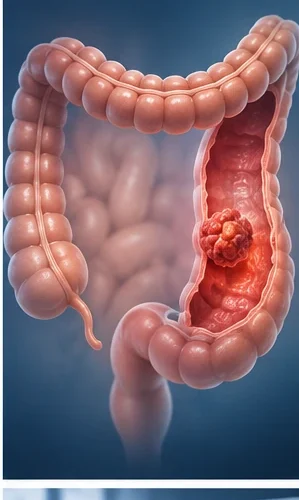
Colorectal Cancer
Blood in the stool, changes in bowel habits and screening.
Colorectal & perianal
Colorectal Cancer
Blood in the stool, changes in bowel habits and screening.
-
 Skin & soft tissue
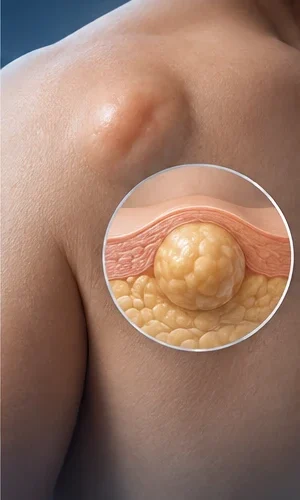
Lumps & Bumps
Any new, enlarging or changing lump should be assessed.
Skin & soft tissue
Lumps & Bumps
Any new, enlarging or changing lump should be assessed.
-
 Endoscopy
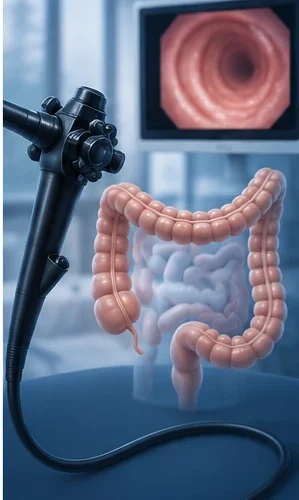
Colonoscopy
Camera examination of the large bowel.
Endoscopy
Colonoscopy
Camera examination of the large bowel.