Recognise a hernia lump and the warning signs of complications.
The warning signs to take seriously
A lump in the groin or abdomen that appears when you stand, cough or strain may be a hernia. Most hernias are not an emergency, but a hernia can become one.
Seek emergency care immediately if
The lump becomes suddenly very painful, tender or no longer goes back in.
Vomiting or abdominal bloating develops.
The skin over the hernia changes colour.
Assessment is usually by clinical examination, with an ultrasound or CT scan in selected cases, and a pre-operative health assessment if surgery is required.
If your symptoms persist or you are unsure of the cause, arrange an assessment.
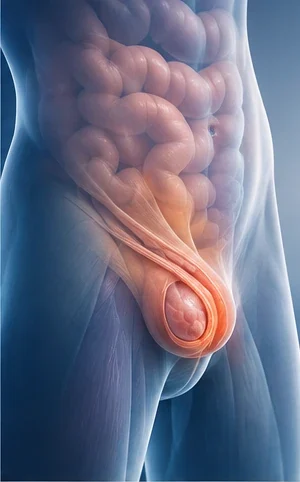
A hernia occurs when tissue or part of the bowel pushes through a weak area in the abdominal wall. Hernias may occur in the groin, at the navel or through a previous surgical scar.
When should you be assessed?
A lump in the groin, navel or abdominal wall
A feeling of heaviness or discomfort
Pain when coughing, straining or lifting
Swelling that becomes more noticeable when standing
Treatment Options
Surgery is the definitive treatment for a hernia, but not every hernia requires immediate surgery. The need and timing of repair depend on the type of hernia, symptoms, risk of complications and your overall health. Some hernias can be monitored after assessment and discussion with your surgeon. Repair may be recommended if the hernia is painful, increasing in size, affecting daily activities or at risk of complications. Surgery may be performed laparoscopically or through an open approach, depending on the type and size of the hernia, previous surgery and your overall health.